About Executing Eichmann
IMDB:
7.0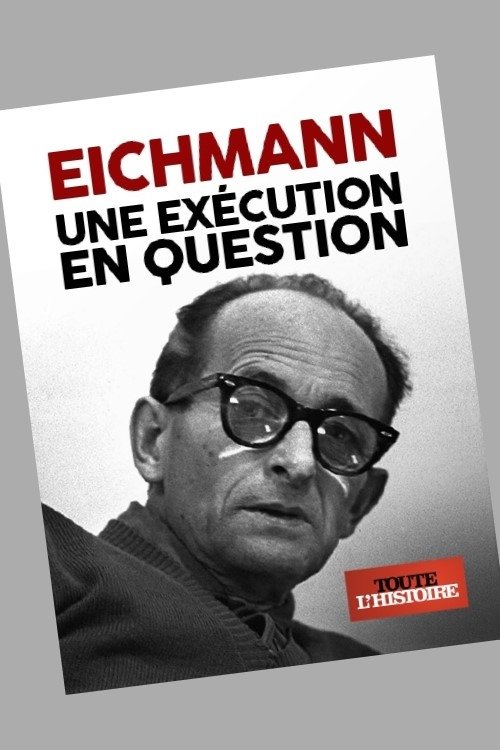
Released
1/1/2015
Duration
1h 0m
Genre
Documentary
Country
United States
Cast
N/A
Overview
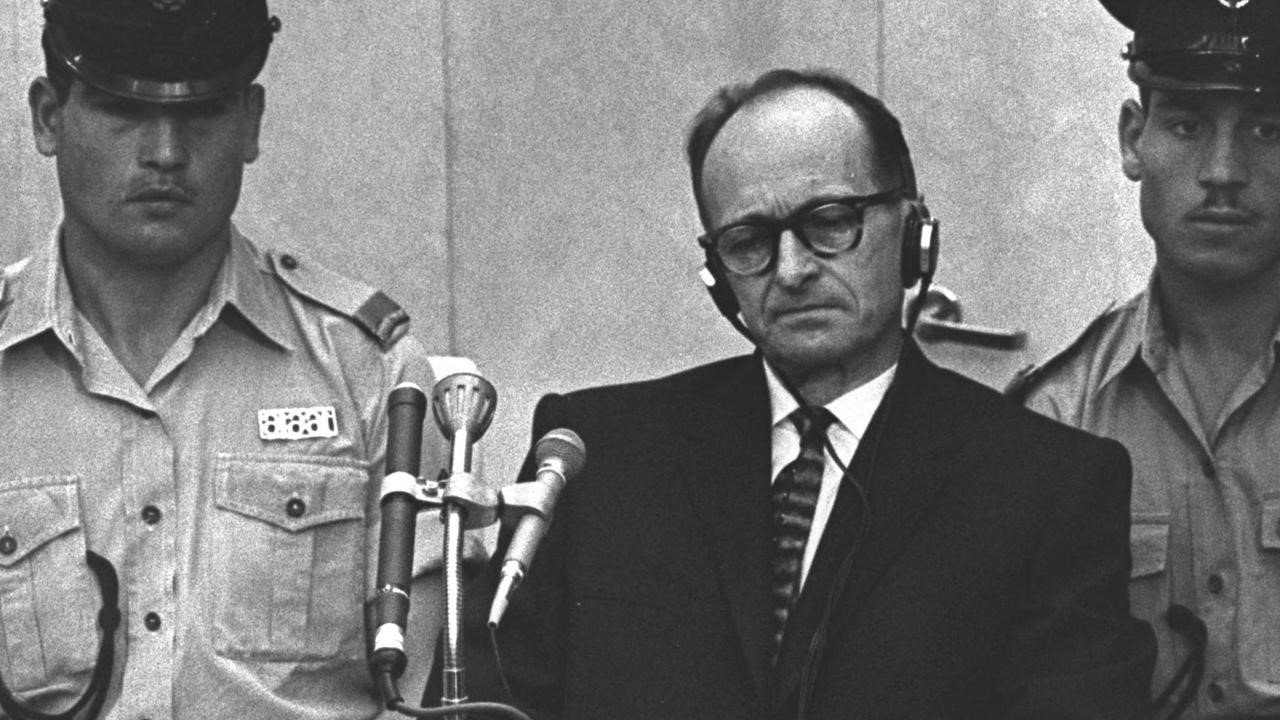
On 15 December 1961 in Jerusalem, Adolf Eichmann was sentenced to death for crimes against the Jewish people and against humanity. While this judgment was met with consensus on a national level, some spoke out against it. On 29 May 1962, a group of Holocaust survivors and intellectuals, including philosophers Hannah Arendt, Hugo Bergmann, Martin Buber and Gershom Scholem, rejected an epilogue to the trial they believed was inappropriate and sent a petition to President Yitzhak Ben-Zvi to demand Eichmann's death sentence be commuted. By opposing Eichmann's execution, they raised questions about the Holocaust, and also defended the values of Judaism, raising questions about Jewish morality for Israel and the nature of a Jewish State. Historians, philosophers, and Israeli eyewitnesses set out the facts, go over the philosophical arguments, and return to a debate that, while central to that era, remains valid today and deserves to be revisited.
About Executing Eichmann
IMDB:
7.0Released
1/1/2015
Genre
Documentary
Cast
N/A
Duration
1h 0m
Country
United States
Overview
On 15 December 1961 in Jerusalem, Adolf Eichmann was sentenced to death for crimes against the Jewish people and against humanity. While this judgment was met with consensus on a national level, some spoke out against it. On 29 May 1962, a group of Holocaust survivors and intellectuals, including philosophers Hannah Arendt, Hugo Bergmann, Martin Buber and Gershom Scholem, rejected an epilogue to the trial they believed was inappropriate and sent a petition to President Yitzhak Ben-Zvi to demand Eichmann's death sentence be commuted. By opposing Eichmann's execution, they raised questions about the Holocaust, and also defended the values of Judaism, raising questions about Jewish morality for Israel and the nature of a Jewish State. Historians, philosophers, and Israeli eyewitnesses set out the facts, go over the philosophical arguments, and return to a debate that, while central to that era, remains valid today and deserves to be revisited.