Free to Choose
S1 · E1IMDB:
8.0Released
3/3/1980
Duration
0h 0m
Genre
Documentary
Country
United States of America
Cast
N/A
Overview
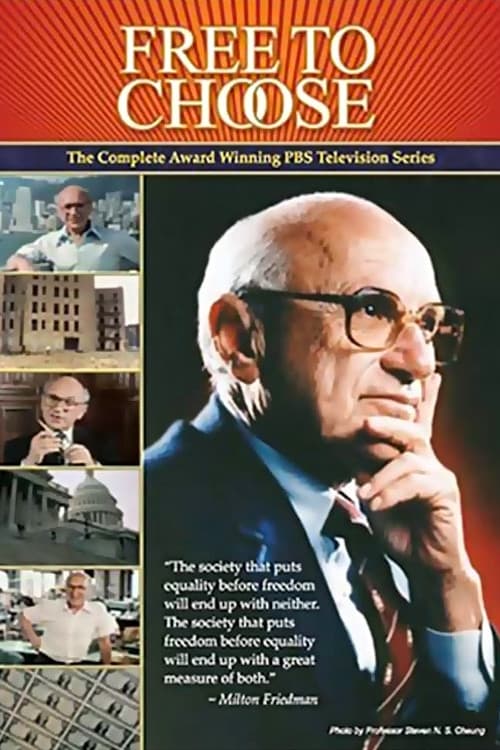
Free to Choose is a ten-part television series broadcast on public television by economists Milton and Rose D. Friedman that advocates free market principles. It was primarily a response to an earlier landmark book and television series: The Age of Uncertainty, by the noted economist John Kenneth Galbraith. Milton Friedman won the Nobel Memorial Prize in Economics in 1976.
Free to Choose
Season 1 · Episode 1IMDB:
8.0Released
3/3/1980
Genre
Documentary
Cast
N/A
Duration
0h 0m
Country
United States of America
Overview
Free to Choose is a ten-part television series broadcast on public television by economists Milton and Rose D. Friedman that advocates free market principles. It was primarily a response to an earlier landmark book and television series: The Age of Uncertainty, by the noted economist John Kenneth Galbraith. Milton Friedman won the Nobel Memorial Prize in Economics in 1976.
Episodes
 EP 1Available
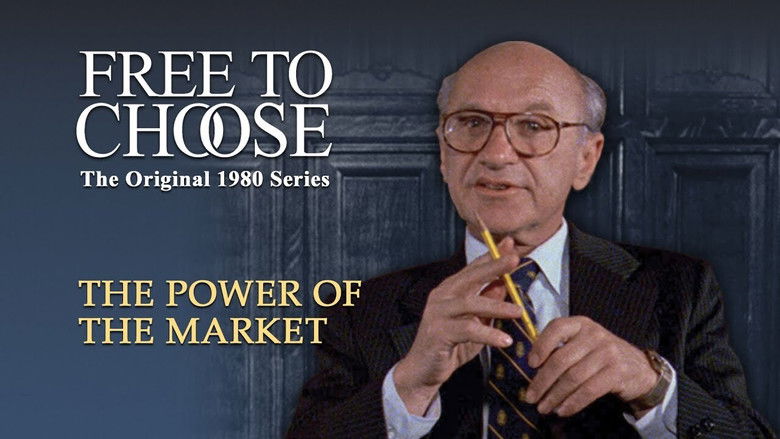
The Power of the Market
Dr. Friedman visits and narrates a number of success and failure stories in history, which he attributes to capitalism or the lack thereof.
The Power of the Market
Dr. Friedman visits and narrates a number of success and failure stories in history, which he attributes to capitalism or the lack thereof.
 EP 2Available
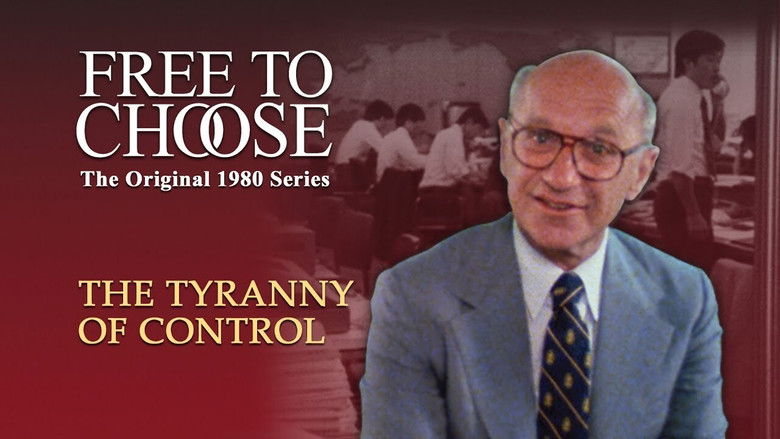
The Tyranny of Control
Government planning and detailed control of economic activity lessens productive innovation, and consumer choice. Good, better, best, are replaced by "approved" or "authorized." Friedman shows how "established" industries or methods, seek government protection or subsidization in their attempts to stop or limit product improvements which they don't control. Friedman visits India, Japan and U.S.
The Tyranny of Control
Government planning and detailed control of economic activity lessens productive innovation, and consumer choice. Good, better, best, are replaced by "approved" or "authorized." Friedman shows how "established" industries or methods, seek government protection or subsidization in their attempts to stop or limit product improvements which they don't control. Friedman visits India, Japan and U.S.
 EP 3Available
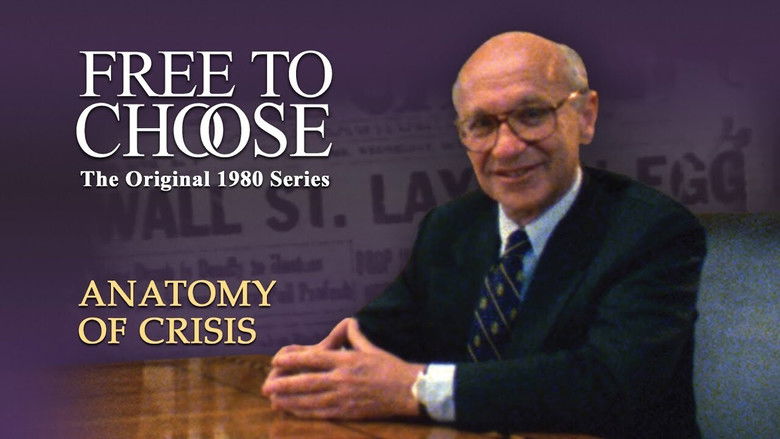
Anatomy of a Crisis
The Great Depression has been popularly viewed as a failure of capitalism. The stock market crash, the failure of the Bank of the United States, loss of personal savings, were visible symbols supporting this belief. As Friedman explains, the real cause was the unseen failure of government policy and action. Yet this crisis resulting from government failure leads to decades of government expansion.
Anatomy of a Crisis
The Great Depression has been popularly viewed as a failure of capitalism. The stock market crash, the failure of the Bank of the United States, loss of personal savings, were visible symbols supporting this belief. As Friedman explains, the real cause was the unseen failure of government policy and action. Yet this crisis resulting from government failure leads to decades of government expansion.
 EP 4Available
From Cradle to Grave
The welfare state arises from the attempt to do good with other people's money. Such attempts always fail because: Nobody spends somebody else's money as carefully as his own. Welfare is supply driven. Those spending the money use force to collect it and to insure those receiving it use it for "right" purposes. Good intentions are corrupted by bad means. Friedman visits U.S. and Britain.
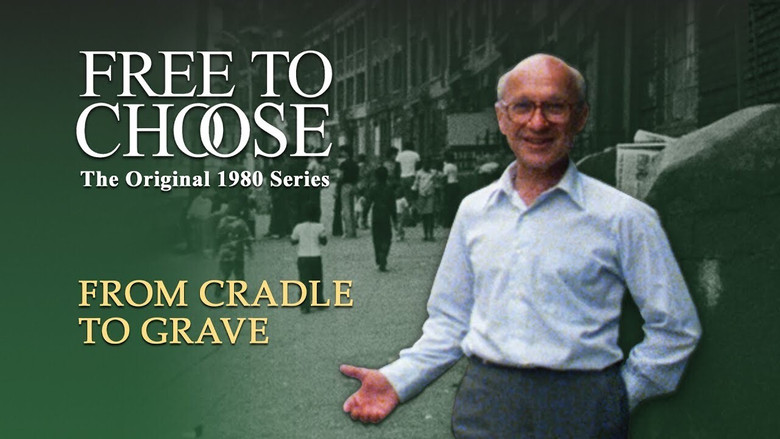
From Cradle to Grave
The welfare state arises from the attempt to do good with other people's money. Such attempts always fail because: Nobody spends somebody else's money as carefully as his own. Welfare is supply driven. Those spending the money use force to collect it and to insure those receiving it use it for "right" purposes. Good intentions are corrupted by bad means. Friedman visits U.S. and Britain.
 EP 5Available
Created Equal
The Declaration of Independence says, "all men are created equal." Friedman explains that this did not mean all persons should or will have equal talents or income. Equal opportunity to better one's self, and the right to personally benefit from the gains realized, are consistent with freedom. Equality of results requires force. Taking from some to give to others destroys freedom and removes the incentive for creating new wealth. Friedman visits India, U.S. and Britain.
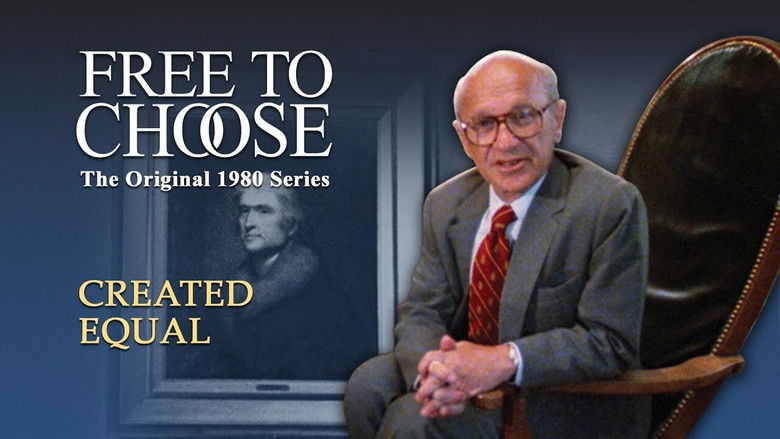
Created Equal
The Declaration of Independence says, "all men are created equal." Friedman explains that this did not mean all persons should or will have equal talents or income. Equal opportunity to better one's self, and the right to personally benefit from the gains realized, are consistent with freedom. Equality of results requires force. Taking from some to give to others destroys freedom and removes the incentive for creating new wealth. Friedman visits India, U.S. and Britain.
 EP 6Available
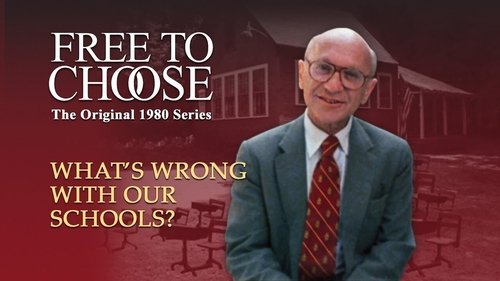
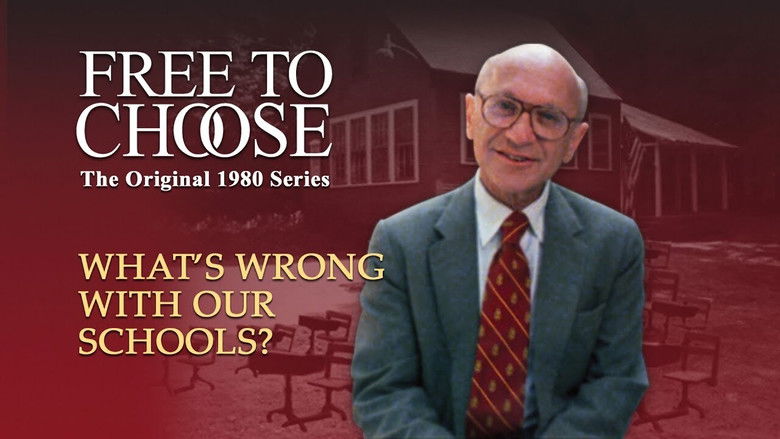
What's Wrong with our Schools
Parental choice and parental responsibility in the education of children is the U.S. tradition and is consistent with a free society. Centralized government control has eroded freedom and adversely affected the quality of education. The poor help pay for education for the future rich. Friedman has long advocated using vouchers to solve the problem. He explains why. Friedman visits U.S. and Britain.
What's Wrong with our Schools
Parental choice and parental responsibility in the education of children is the U.S. tradition and is consistent with a free society. Centralized government control has eroded freedom and adversely affected the quality of education. The poor help pay for education for the future rich. Friedman has long advocated using vouchers to solve the problem. He explains why. Friedman visits U.S. and Britain.
 EP 7Available
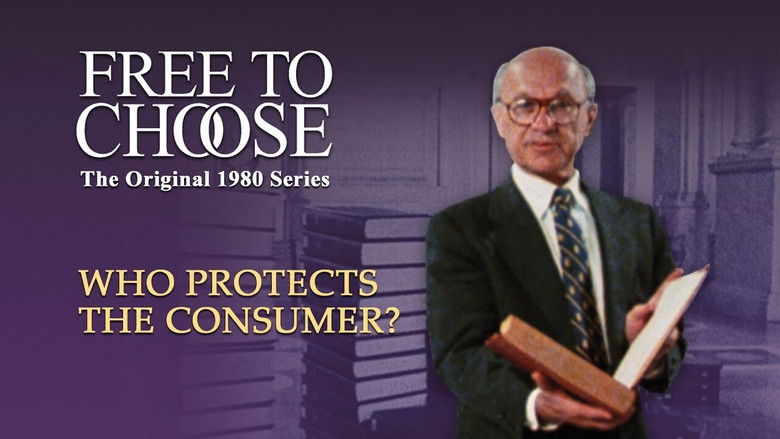
Who Protects the Consumer?
Various government agencies have been created on the claim that they will protect the consumer. These agencies restrict freedom, stifle beneficial innovation, and become agents for the industries or groups they are intended to regulate. Friedman explains how the apparent chaos of the market place, the competition of many suppliers for business, is the best protection of consumer interests.
Who Protects the Consumer?
Various government agencies have been created on the claim that they will protect the consumer. These agencies restrict freedom, stifle beneficial innovation, and become agents for the industries or groups they are intended to regulate. Friedman explains how the apparent chaos of the market place, the competition of many suppliers for business, is the best protection of consumer interests.
 EP 8Available
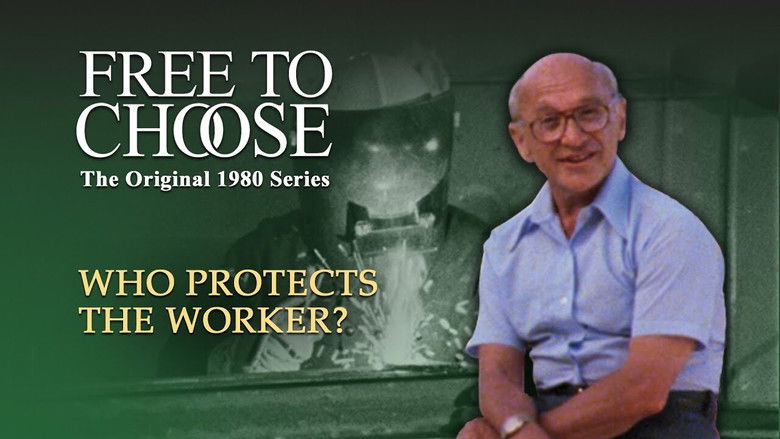
Who Protects the Worker?
Unions sometimes protect some workers - their members - but usually at the expense of other workers. Government protects its employees and special groups of workers at the expense of other workers. Both unions and government restrict freedom. Friedman explains how the competition of employers for the talents of workers leads to the highest wages and best working conditions.
Who Protects the Worker?
Unions sometimes protect some workers - their members - but usually at the expense of other workers. Government protects its employees and special groups of workers at the expense of other workers. Both unions and government restrict freedom. Friedman explains how the competition of employers for the talents of workers leads to the highest wages and best working conditions.
 EP 9Available
How to Cure Inflation
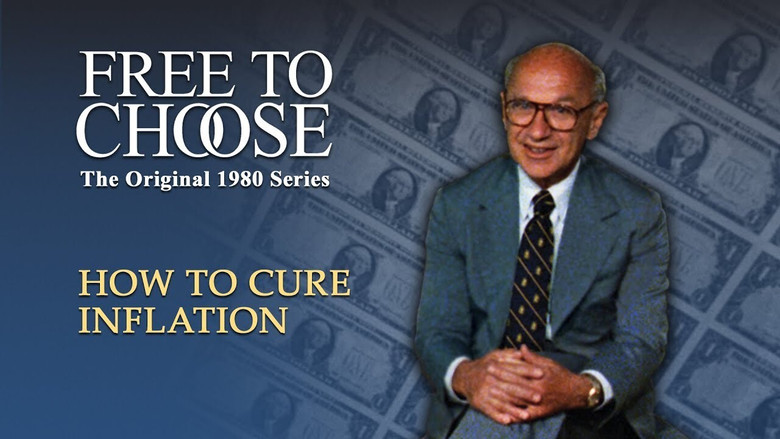
Inflation results when the amount of money printed or coined increases faster than the creation of new goods and services. Money is a "token" of the wealth of a nation. If more tokens are created than new wealth, it takes more tokens to buy the same goods. Friedman explains why politicians like inflation, and why wage and price controls are not solutions to the problem. Friedman visits Japan, U.S. and Britain.
How to Cure Inflation
Inflation results when the amount of money printed or coined increases faster than the creation of new goods and services. Money is a "token" of the wealth of a nation. If more tokens are created than new wealth, it takes more tokens to buy the same goods. Friedman explains why politicians like inflation, and why wage and price controls are not solutions to the problem. Friedman visits Japan, U.S. and Britain.
 EP 10Available
How to Stay Free
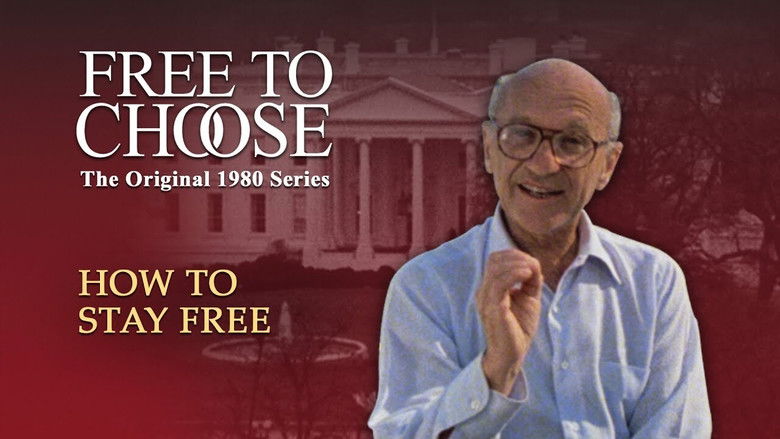
Democracies have only recently been considered desirable. Historically, it was feared that democracies always self destruct when citizens, forgetting that you cannot remove want and misery through legislation, insist on government actions that physically and morally bankrupt their nation. Friedman explains why the United States has so far avoided this outcome and how we can continue to do so. This program includes an interview of Dr. Friedman by Lawrence E. Spivak.
How to Stay Free
Democracies have only recently been considered desirable. Historically, it was feared that democracies always self destruct when citizens, forgetting that you cannot remove want and misery through legislation, insist on government actions that physically and morally bankrupt their nation. Friedman explains why the United States has so far avoided this outcome and how we can continue to do so. This program includes an interview of Dr. Friedman by Lawrence E. Spivak.