Jazz
S1 · E1IMDB:
7.5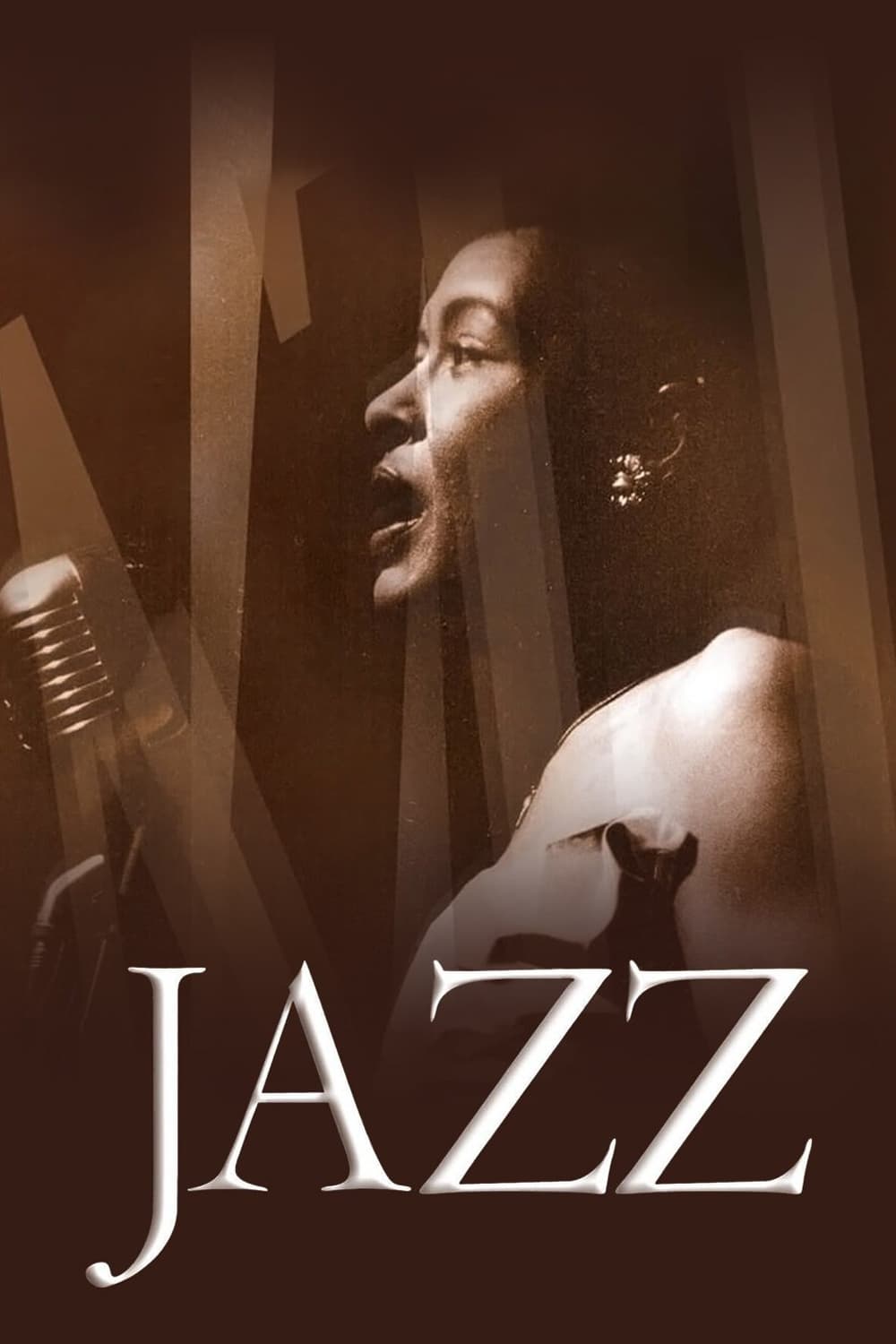
Released
1/9/2001
Duration
1h 49m
Genre
Documentary
Country
United Kingdom
Cast
Keith David, Sidney Bechet, Louis Armstrong
Overview
Jazz is a ten part series that explores the evolution – and the genius – of America’s greatest original art form, focusing on the extraordinary men and women who could do something remarkable – create art on the spot. Jazz celebrates their profoundly enduring, endlessly varied, and infinitely alluring music in the context of the complicated country that gave birth to and influenced it, and was in turn transformed by it.
Jazz
Season 1 · Episode 1IMDB:
7.5Released
1/9/2001
Genre
Documentary
Cast
Keith David, Sidney Bechet, Louis Armstrong
Duration
1h 49m
Country
United Kingdom
Overview
Jazz is a ten part series that explores the evolution – and the genius – of America’s greatest original art form, focusing on the extraordinary men and women who could do something remarkable – create art on the spot. Jazz celebrates their profoundly enduring, endlessly varied, and infinitely alluring music in the context of the complicated country that gave birth to and influenced it, and was in turn transformed by it.
Episodes
 EP 1Available
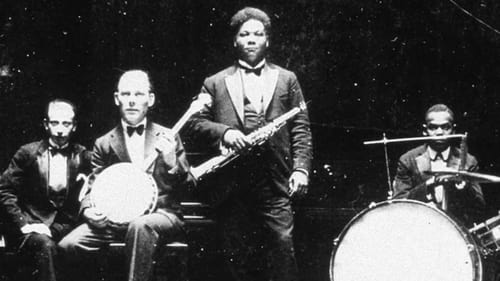
Gumbo: Beginnings to 1917
"Gumbo" traces the roots of jazz from the 1800s to 1917. The viewer will catch glimpses of Jelly Roll Morton, who erroneously claimed to have invented jazz, and the tragic, though influential, figure of trumpeter Buddy Bolden.
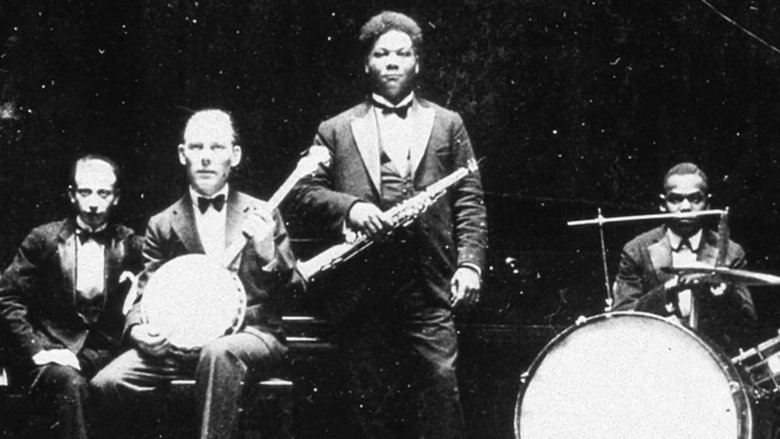
Gumbo: Beginnings to 1917
"Gumbo" traces the roots of jazz from the 1800s to 1917. The viewer will catch glimpses of Jelly Roll Morton, who erroneously claimed to have invented jazz, and the tragic, though influential, figure of trumpeter Buddy Bolden.
 EP 2Available
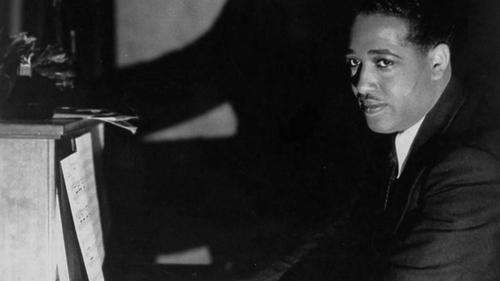
The Gift: 1917-1924
How can one explain the genius of a Louis Armstrong or Duke Ellington? Blessed with skill and talent far exceeding their peers, one can only define what they possess as a gift from the gods. These early portraits are imperative, because both figures have been so canonized that it is easy to forget the significance of their gifts.

The Gift: 1917-1924
How can one explain the genius of a Louis Armstrong or Duke Ellington? Blessed with skill and talent far exceeding their peers, one can only define what they possess as a gift from the gods. These early portraits are imperative, because both figures have been so canonized that it is easy to forget the significance of their gifts.
 EP 3Available
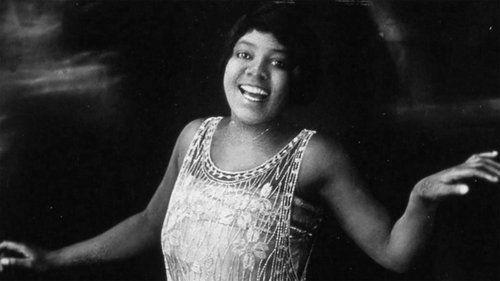
Our Language: 1924 -1929
Colorful characters like the tragic Bix Beiderbecke, powerhouse Bessie Smith, and the braggart Jelly Roll Morton, make the study of jazz fascinating. Perhaps most touching in this episode is the extended portrait of the troubled, white cornet player, Bix Beiderbecke, whose family disapproved of his chosen profession, and who would never be allowed to record with greats like Louis Armstrong due to segregation in the music business.

Our Language: 1924 -1929
Colorful characters like the tragic Bix Beiderbecke, powerhouse Bessie Smith, and the braggart Jelly Roll Morton, make the study of jazz fascinating. Perhaps most touching in this episode is the extended portrait of the troubled, white cornet player, Bix Beiderbecke, whose family disapproved of his chosen profession, and who would never be allowed to record with greats like Louis Armstrong due to segregation in the music business.
 EP 4Available
The True Welcome: 1929-1934
"The True Welcome" continues many of the stories begun in Episode 3, following several troubling years for Louis Armstrong (who was arrested for marijuana possession), Duke Ellington’s growth as a composer, and Benny Goodman discovering gold in Fletcher Henderson’s arrangements. "The True Welcome" also has a nice section on rich kid John Hammond, Sr. who would become one of jazz’ biggest promoters
The True Welcome: 1929-1934
"The True Welcome" continues many of the stories begun in Episode 3, following several troubling years for Louis Armstrong (who was arrested for marijuana possession), Duke Ellington’s growth as a composer, and Benny Goodman discovering gold in Fletcher Henderson’s arrangements. "The True Welcome" also has a nice section on rich kid John Hammond, Sr. who would become one of jazz’ biggest promoters
 EP 5Available
Swing: Pure Pleasure - 1935-1937
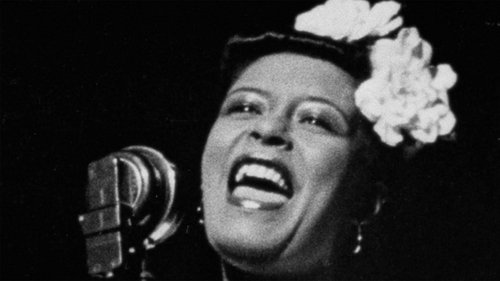
1935 was the year that swing became the most popular music in the country and that the king of swing, Benny Goodman, became a matinee idol. Americans, stifled by the Depression, seemed determined to dance their troubles away. "Swing: Pure Pleasure" follows the continuing careers of Goodman, Artie Shaw, and Armstrong, and the discovery of Billie Holiday.

Swing: Pure Pleasure - 1935-1937
1935 was the year that swing became the most popular music in the country and that the king of swing, Benny Goodman, became a matinee idol. Americans, stifled by the Depression, seemed determined to dance their troubles away. "Swing: Pure Pleasure" follows the continuing careers of Goodman, Artie Shaw, and Armstrong, and the discovery of Billie Holiday.
 EP 6Available
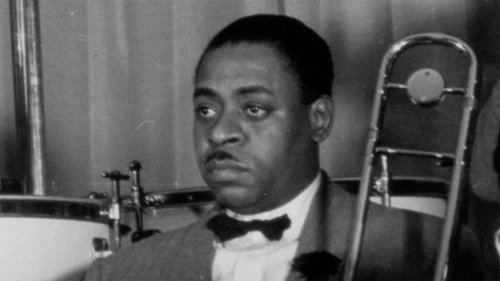
Swing: The Velocity of Celebration - 1937-1939
Swing would be reacquainted with its blues roots by way of Kansas City, when Count Basie and the Barons of Rhythm brought their hot sound to the Big Apple. Basie would also give Billie Holiday her first break, offering her a chance to travel, perform, drink, and gamble with the rest of the band. Another young singer named Ella Fitzgerald would get her start in Chick Webb’s band at the Savoy Ballroom, and then be named top female vocalist—over Billy Holiday—by Down Beat in 1937.

Swing: The Velocity of Celebration - 1937-1939
Swing would be reacquainted with its blues roots by way of Kansas City, when Count Basie and the Barons of Rhythm brought their hot sound to the Big Apple. Basie would also give Billie Holiday her first break, offering her a chance to travel, perform, drink, and gamble with the rest of the band. Another young singer named Ella Fitzgerald would get her start in Chick Webb’s band at the Savoy Ballroom, and then be named top female vocalist—over Billy Holiday—by Down Beat in 1937.
 EP 7Available
Dedicated to Chaos: 1940-1945
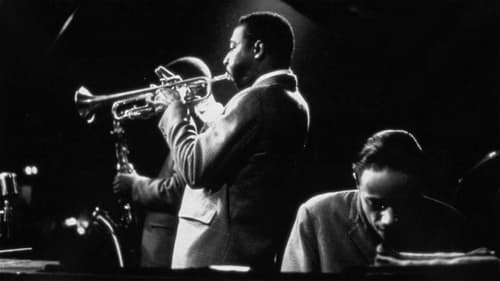
"Dedicated to Chaos" finds jazz musicians teetering on the brink of the modern era, fighting against the straightjacket of clichéd, big band arrangements. The revolution started at Minton’s Playhouse, a rundown club where musicians like Thelonious Monk, Dizzy Gillespie, and Charlie Christian jammed on Monday nights. When they hooked up with a young saxophone player from Kansas City named Charlie Parker, the bop insurgency had arrived.

Dedicated to Chaos: 1940-1945
"Dedicated to Chaos" finds jazz musicians teetering on the brink of the modern era, fighting against the straightjacket of clichéd, big band arrangements. The revolution started at Minton’s Playhouse, a rundown club where musicians like Thelonious Monk, Dizzy Gillespie, and Charlie Christian jammed on Monday nights. When they hooked up with a young saxophone player from Kansas City named Charlie Parker, the bop insurgency had arrived.
 EP 8Available
Risk: 1945-1955
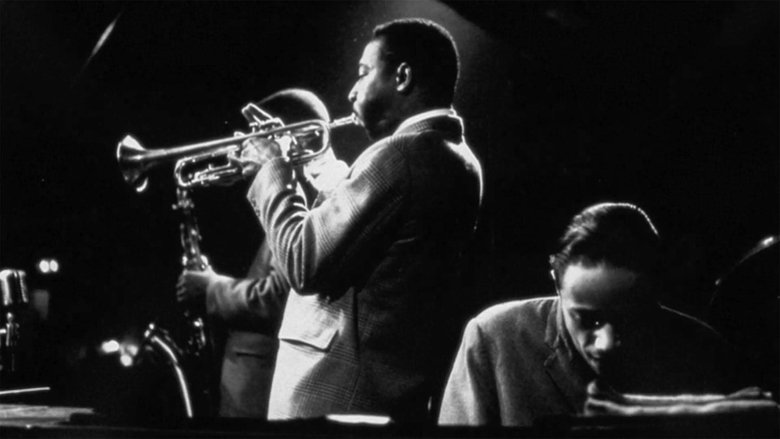
The bop revolution’s influence would spread to other musicians, but unlike swing, it would never become a popular music. The rapid-fire solos and complicated chord structures made bop a musician’s music, unfit for dancing. Indeed, Charlie Parker and Dizzy Gillespie’s music even alienated established musicians like Armstrong. "Risk" provides an in-depth biography of the bright, brief life of Parker, and includes interviews with his former wife.
Risk: 1945-1955
The bop revolution’s influence would spread to other musicians, but unlike swing, it would never become a popular music. The rapid-fire solos and complicated chord structures made bop a musician’s music, unfit for dancing. Indeed, Charlie Parker and Dizzy Gillespie’s music even alienated established musicians like Armstrong. "Risk" provides an in-depth biography of the bright, brief life of Parker, and includes interviews with his former wife.
 EP 9Available
The Adventure: 1956-1960
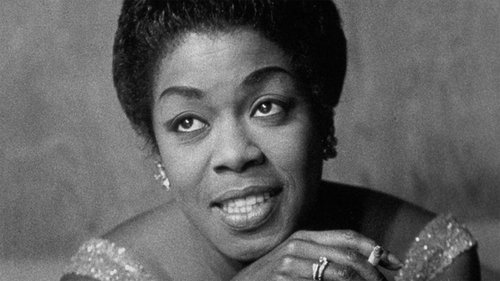
Critics who had believed that Charlie Parker was "too much" musically, could not have welcomed the arrival of Ornette Coleman. Coleman and John Coltrane would edge jazz toward even more freedom, eventually dropping all traditional structures. While these artists alienated many listeners, Miles Davis would record the most popular jazz album of all time, Kind of Blue.
The Adventure: 1956-1960
Critics who had believed that Charlie Parker was "too much" musically, could not have welcomed the arrival of Ornette Coleman. Coleman and John Coltrane would edge jazz toward even more freedom, eventually dropping all traditional structures. While these artists alienated many listeners, Miles Davis would record the most popular jazz album of all time, Kind of Blue.
 EP 10Available
A Masterpiece by Midnight: 1960 to the Present
Obviously Ken Burns knows that he can’t fit the last thirty-nine years of jazz history onto two hours of video tape, so from the outset, that shouldn’t be expected. There’s an excellent biography of John Coltrane, and footage of Miles Davis’ wonderful mid-‘60s quintet. There is also a nice, small section on the magnificent Charles Mingus.
A Masterpiece by Midnight: 1960 to the Present
Obviously Ken Burns knows that he can’t fit the last thirty-nine years of jazz history onto two hours of video tape, so from the outset, that shouldn’t be expected. There’s an excellent biography of John Coltrane, and footage of Miles Davis’ wonderful mid-‘60s quintet. There is also a nice, small section on the magnificent Charles Mingus.
Cast
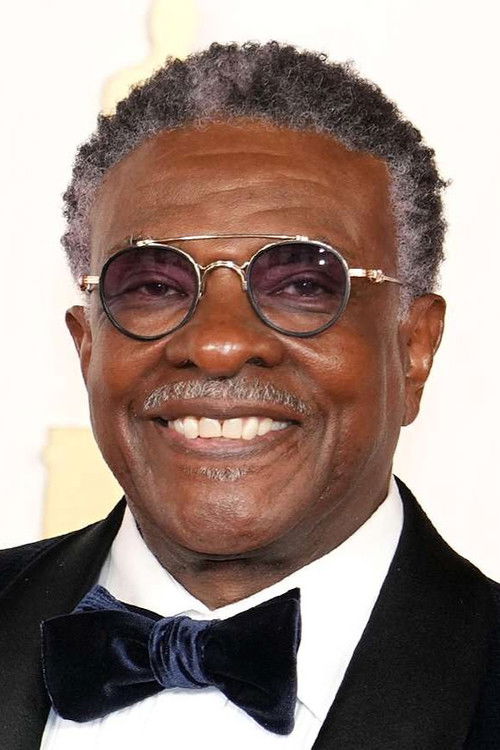
Narrator (voice)
Keith David

Self (archive footage)
Sidney Bechet

Self (archive footage)
Louis Armstrong
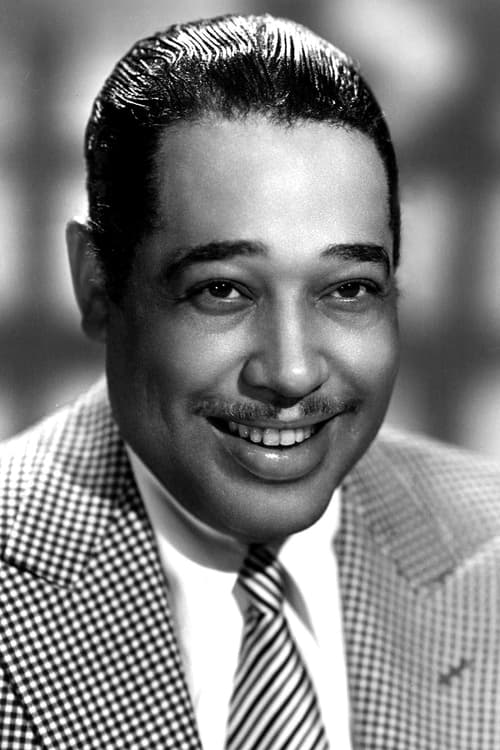
Self (archive footage)
Duke Ellington
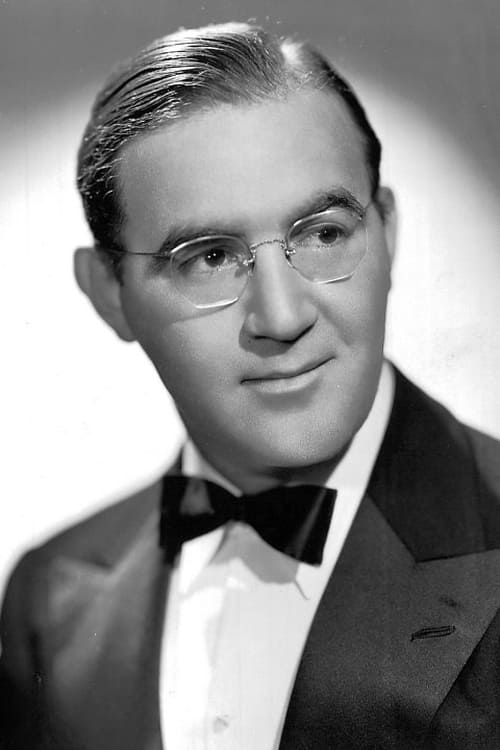
Self (archive footage)
Benny Goodman
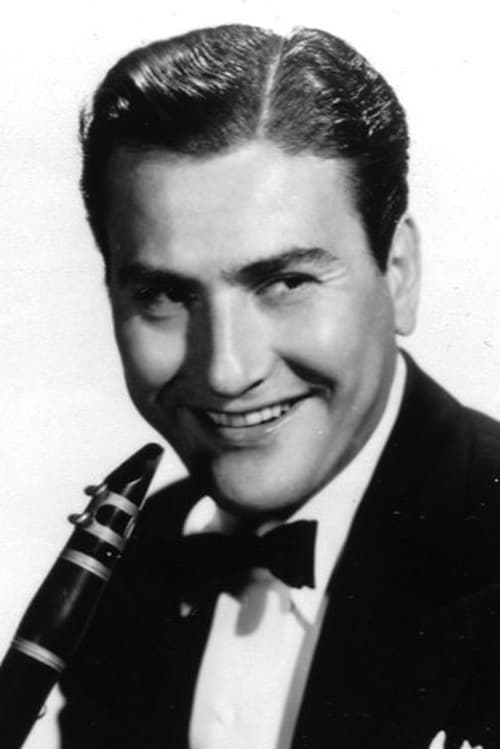
Self (archive footage)
Artie Shaw
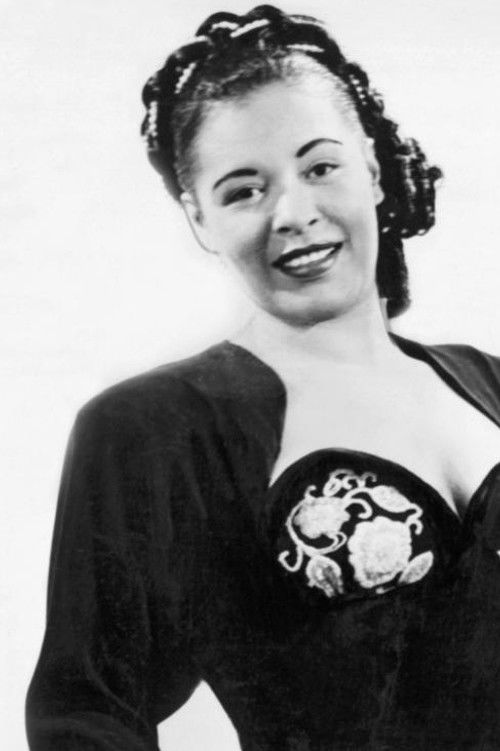
Self (archive footage)
Billie Holiday
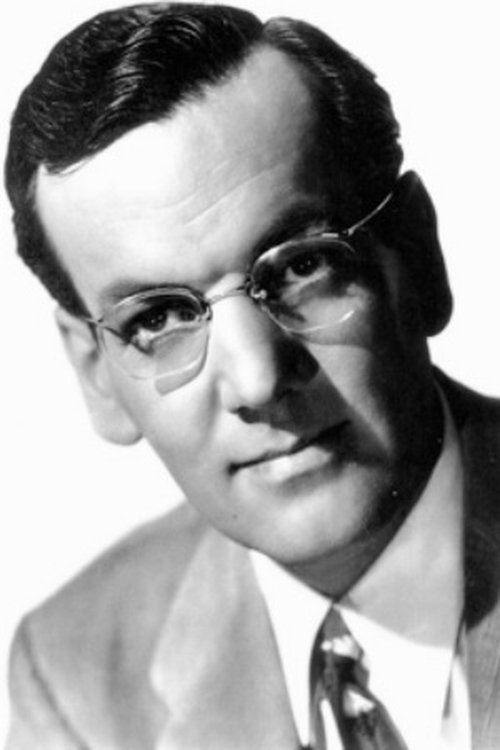
Self (archive footage)
Glenn Miller
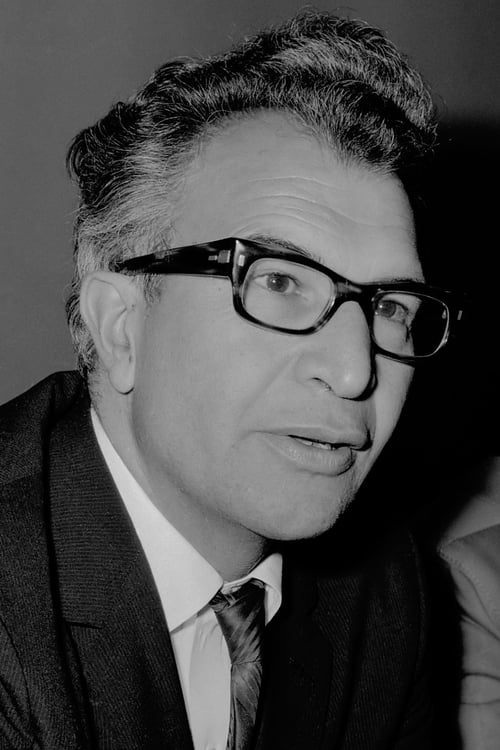
Self (archive footage)
Dave Brubeck
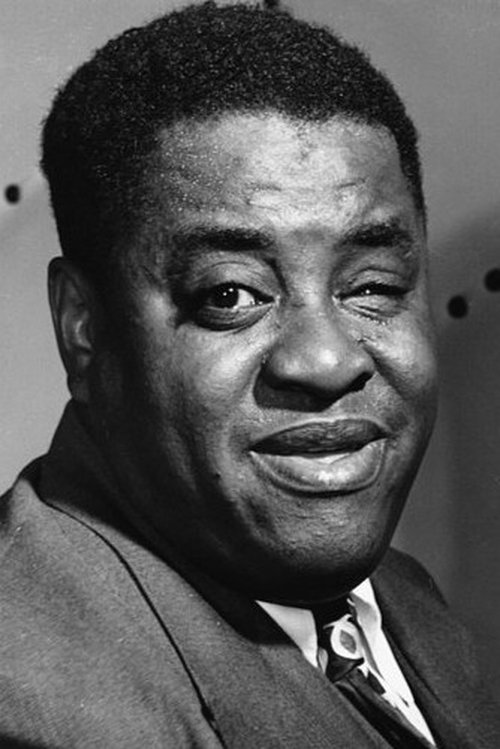
Self (archive footage)
Art Tatum
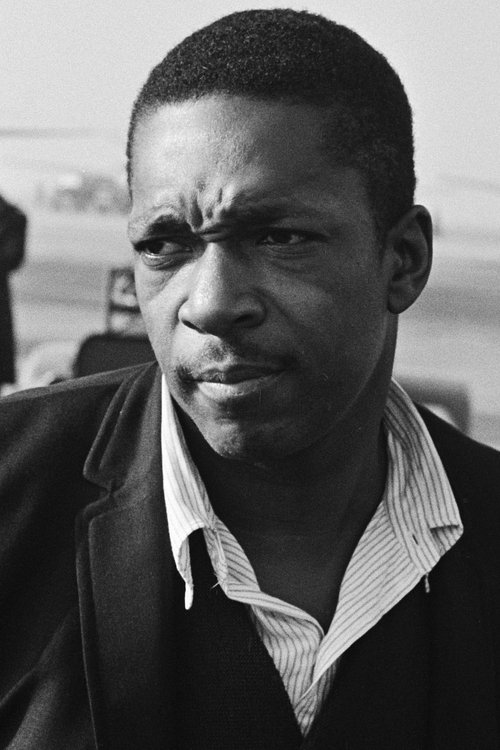
Self (archive footage)
John Coltrane
Self (archive footage)