Moyers & Company
S1 · E1IMDB:
7.0
Released
1/15/2012
Duration
0h 0m
Genre
N/A
Country
United States
Cast
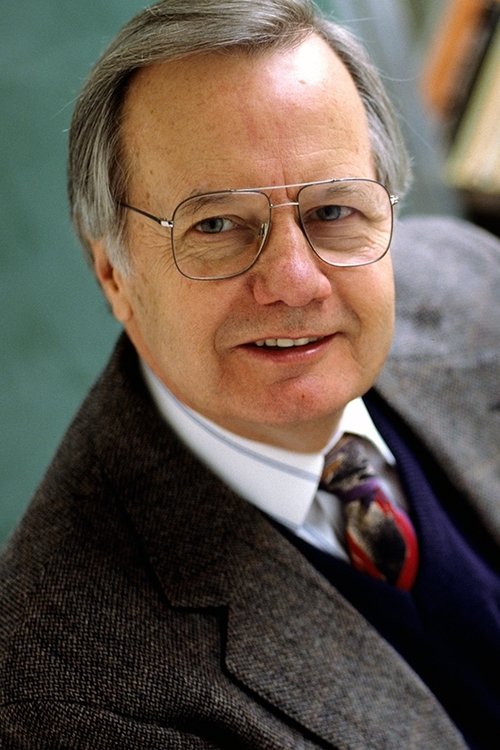
Bill Moyers
Overview
Moyers & Company
Season 1 · Episode 1IMDB:
7.0Released
1/15/2012
Genre
N/A
Cast
Bill Moyers
Duration
0h 0m
Country
United States
Overview
Episodes
 EP 1Available
On Winner-Take-All Politics
In its premiere episode, Moyers & Company dives into one of the most important and controversial issues of our time: How Washington and Big Business colluded to make the super-rich richer and turn their backs on the rest of us. Bill’s guests – Jacob Hacker and Paul Pierson, authors of Winner-Take-All Politics: How Washington Made the Rich Richer — And Turned Its Back on the Middle Class, argue that America’s vast inequality is no accident, but in fact has been politically engineered. How, in a nation as wealthy as America, can the economy simply stop working for people at large, while super-serving those at the very top? Through exhaustive research and analysis, the political scientists Hacker and Pierson — whom Bill regards as the “Sherlock Holmes and Dr. Watson” of economics — detail important truths behind a 30-year economic assault against the middle class.
On Winner-Take-All Politics
In its premiere episode, Moyers & Company dives into one of the most important and controversial issues of our time: How Washington and Big Business colluded to make the super-rich richer and turn their backs on the rest of us. Bill’s guests – Jacob Hacker and Paul Pierson, authors of Winner-Take-All Politics: How Washington Made the Rich Richer — And Turned Its Back on the Middle Class, argue that America’s vast inequality is no accident, but in fact has been politically engineered. How, in a nation as wealthy as America, can the economy simply stop working for people at large, while super-serving those at the very top? Through exhaustive research and analysis, the political scientists Hacker and Pierson — whom Bill regards as the “Sherlock Holmes and Dr. Watson” of economics — detail important truths behind a 30-year economic assault against the middle class.
EP 2AvailableCrony Capitalism
This weekend, continuing its sharp multi-episode focus on the intersection of money and politics, Moyers & Company explores the tight connection between Wall Street and the White House with David Stockman – yes, that David Stockman — former budget director for President Reagan. Now a businessman who says he was “taken to the woodshed” for telling the truth about the administration’s tax policies, Stockman speaks candidly with Bill Moyers about how money dominates politics, distorting free markets and endangering democracy. “As a result,” Stockman says, “we have neither capitalism nor democracy. We have crony capitalism.” Stockman shares details on how the courtship of politics and high finance have turned our economy into a private club that rewards the super-rich and corporations, leaving average Americans wondering how it could happen and who’s really in charge.
Crony Capitalism
This weekend, continuing its sharp multi-episode focus on the intersection of money and politics, Moyers & Company explores the tight connection between Wall Street and the White House with David Stockman – yes, that David Stockman — former budget director for President Reagan. Now a businessman who says he was “taken to the woodshed” for telling the truth about the administration’s tax policies, Stockman speaks candidly with Bill Moyers about how money dominates politics, distorting free markets and endangering democracy. “As a result,” Stockman says, “we have neither capitalism nor democracy. We have crony capitalism.” Stockman shares details on how the courtship of politics and high finance have turned our economy into a private club that rewards the super-rich and corporations, leaving average Americans wondering how it could happen and who’s really in charge.
EP 3AvailableHow Big Banks are Rewriting the Rules of Our Economy
Big banks are rewriting the rules of our economy to the exclusive benefit of their own bottom line. But how did our political and financial class shift the benefits of the economy to the very top, while saddling us with greater debt and tearing new holes in the safety net? Bill Moyers talks with former Citigroup Chairman John Reed and former Senator Byron Dorgan to explore a momentous instance: how the late-90’s merger of Citicorp and Travelers Group – and a friendly Presidential pen — brought down the Glass-Steagall Act, a crucial firewall between banks and investment firms which had protected consumers from financial calamity since the aftermath of the Great Depression. In effect, says Moyers, they “put the watchdog to sleep.” There’s no clearer example of the collusion between government and corporate finance than the Citicorp-Travelers merger, which — thanks to the removal of Glass-Steagall — enabled the formation of the financial behemoth known as Citigroup.
How Big Banks are Rewriting the Rules of Our Economy
Big banks are rewriting the rules of our economy to the exclusive benefit of their own bottom line. But how did our political and financial class shift the benefits of the economy to the very top, while saddling us with greater debt and tearing new holes in the safety net? Bill Moyers talks with former Citigroup Chairman John Reed and former Senator Byron Dorgan to explore a momentous instance: how the late-90’s merger of Citicorp and Travelers Group – and a friendly Presidential pen — brought down the Glass-Steagall Act, a crucial firewall between banks and investment firms which had protected consumers from financial calamity since the aftermath of the Great Depression. In effect, says Moyers, they “put the watchdog to sleep.” There’s no clearer example of the collusion between government and corporate finance than the Citicorp-Travelers merger, which — thanks to the removal of Glass-Steagall — enabled the formation of the financial behemoth known as Citigroup.
EP 4AvailableHow Do Conservatives and Liberals See the World?
Our country is more politically polarized than ever. Is it possible to agree to disagree and still move on to solve our massive problems? Or are the blind leading the blind — over the cliff? Bill and social psychologist Jonathan Haidt talk about the psychological underpinnings of our contentious culture, why we can’t trust our own opinions, and the demonizing of our adversaries. “When it gets so that your opponents are not just people you disagree with, but… the mental state in which I am fighting for good, and you are fighting for evil, it’s very difficult to compromise,” Haidt tells Moyers. “Compromise becomes a dirty word.” Also, a Bill Moyers essay on why Newt Gingrich might be afraid of Saul Alinsky.
How Do Conservatives and Liberals See the World?
Our country is more politically polarized than ever. Is it possible to agree to disagree and still move on to solve our massive problems? Or are the blind leading the blind — over the cliff? Bill and social psychologist Jonathan Haidt talk about the psychological underpinnings of our contentious culture, why we can’t trust our own opinions, and the demonizing of our adversaries. “When it gets so that your opponents are not just people you disagree with, but… the mental state in which I am fighting for good, and you are fighting for evil, it’s very difficult to compromise,” Haidt tells Moyers. “Compromise becomes a dirty word.” Also, a Bill Moyers essay on why Newt Gingrich might be afraid of Saul Alinsky.
EP 5AvailableEconomic Malpractice and the Millennials
There are 80-plus million Americans today who were born roughly between 1978 and 2000, and they’re getting hit hard by economic circumstances created over the past 30 years. The Millennials are the first generation of Americans who cannot count on doing better than their parents. Many Millennials are working longer hours, and have seen their earnings decrease. Meanwhile, their personal debt has increased over the last four years to the point where they face unrelenting payments on interest for money they borrowed for college or just to stay above water. How have these realities affected their outlook? And how will it impact Barack Obama’s future? Millennials turned out for him by huge margins in 2008, but their enthusiasm has waned. On this week’s Moyers & Company, Bill Moyers talks with a Millennial who has dedicated herself to tackling these issues.
Economic Malpractice and the Millennials
There are 80-plus million Americans today who were born roughly between 1978 and 2000, and they’re getting hit hard by economic circumstances created over the past 30 years. The Millennials are the first generation of Americans who cannot count on doing better than their parents. Many Millennials are working longer hours, and have seen their earnings decrease. Meanwhile, their personal debt has increased over the last four years to the point where they face unrelenting payments on interest for money they borrowed for college or just to stay above water. How have these realities affected their outlook? And how will it impact Barack Obama’s future? Millennials turned out for him by huge margins in 2008, but their enthusiasm has waned. On this week’s Moyers & Company, Bill Moyers talks with a Millennial who has dedicated herself to tackling these issues.
EP 6AvailableDecoding the Campaigns
We’re saturated with deceptive political advertising — aided and abetted now with spending by citizens, corporations and super PACs that seems to know no bounds. Add to that relatively cheap “buys” on the media landscape including television, the web, print media and social networks, and there’s no place for the electorate to escape. But help is on the way. This weekend on Moyers & Company, Bill asks political communication expert Kathleen Hall Jamieson to decode the political misinformation campaigns of 2012 thus far. Jamieson runs the Annenberg Public Policy Center at the University of Pennsylvania, including the sites FactCheck.org and FlackCheck.org. The show then moves from politics to poetry as Bill welcomes former U.S. Poet Laureate Rita Dove, who this week received the National Medal of Arts from President Obama. Dove was the youngest and the first African American to be named poet laureate in 1993.
Decoding the Campaigns
We’re saturated with deceptive political advertising — aided and abetted now with spending by citizens, corporations and super PACs that seems to know no bounds. Add to that relatively cheap “buys” on the media landscape including television, the web, print media and social networks, and there’s no place for the electorate to escape. But help is on the way. This weekend on Moyers & Company, Bill asks political communication expert Kathleen Hall Jamieson to decode the political misinformation campaigns of 2012 thus far. Jamieson runs the Annenberg Public Policy Center at the University of Pennsylvania, including the sites FactCheck.org and FlackCheck.org. The show then moves from politics to poetry as Bill welcomes former U.S. Poet Laureate Rita Dove, who this week received the National Medal of Arts from President Obama. Dove was the youngest and the first African American to be named poet laureate in 1993.
EP 7AvailableWhere Movies End and Politics Begins
This weekend’s Moyers & Company starts with a compelling Bill Moyers Essay: Is it fair for parents to opt out of vaccinations for their children on the basis of religion or philosophy? Bill weighs the value of personal liberty versus the greater public health. Next, film historian and culture critic Neal Gabler joins Bill to discuss how representations of heroism in movies shape our expectations of a U.S. president, and how our real-world candidates are packaged into superficial, two-dimensional personas designed to appeal to both the electorate and the media. As a result, says Gabler, we never get to the true pressing questions and issues of America. Finally, Bill has a moving conversation with acclaimed poet and Poetry Magazine editor Christian Wiman about how finding true love and being diagnosed with a rare and incurable blood cancer reignited his religious passion as well as his creative expression.
Where Movies End and Politics Begins
This weekend’s Moyers & Company starts with a compelling Bill Moyers Essay: Is it fair for parents to opt out of vaccinations for their children on the basis of religion or philosophy? Bill weighs the value of personal liberty versus the greater public health. Next, film historian and culture critic Neal Gabler joins Bill to discuss how representations of heroism in movies shape our expectations of a U.S. president, and how our real-world candidates are packaged into superficial, two-dimensional personas designed to appeal to both the electorate and the media. As a result, says Gabler, we never get to the true pressing questions and issues of America. Finally, Bill has a moving conversation with acclaimed poet and Poetry Magazine editor Christian Wiman about how finding true love and being diagnosed with a rare and incurable blood cancer reignited his religious passion as well as his creative expression.
EP 8AvailableMoving Beyond War
Nine years after Baghdad erupted in “shock and awe,” we’re once again hearing in America the drumbeat for war in the Middle East. Now, the bull’s-eye is on Iran. But what we need more than a simple change of target is a complete change in perspective, says Andrew Bacevich, a West Point graduate and Vietnam veteran-turned-scholar who’s become one of the most perceptive observers of America’s changing role in the world. This week, on an all-new Moyers & Company, Bill Moyers and Bacevich explore the futility of “endless” wars, and provide a reality check on the rhetoric of American exceptionalism. “Are we so unimaginative, so wedded to the reliance on military means that we cannot conceive of any way to reconcile our differences with groups and nations in the Islamic world, and therefore bring this conflict to an end?” Bacevich tells Moyers. Bacevich also answers the question of whether Iran is a direct threat to America with a definitive no.
Moving Beyond War
Nine years after Baghdad erupted in “shock and awe,” we’re once again hearing in America the drumbeat for war in the Middle East. Now, the bull’s-eye is on Iran. But what we need more than a simple change of target is a complete change in perspective, says Andrew Bacevich, a West Point graduate and Vietnam veteran-turned-scholar who’s become one of the most perceptive observers of America’s changing role in the world. This week, on an all-new Moyers & Company, Bill Moyers and Bacevich explore the futility of “endless” wars, and provide a reality check on the rhetoric of American exceptionalism. “Are we so unimaginative, so wedded to the reliance on military means that we cannot conceive of any way to reconcile our differences with groups and nations in the Islamic world, and therefore bring this conflict to an end?” Bacevich tells Moyers. Bacevich also answers the question of whether Iran is a direct threat to America with a definitive no.
EP 9AvailableStanding Up For Democracy
American history is rich with stories of social change inspired by the actions of motivated individuals and organized groups. Today’s activists are no different — facing long odds against powerful and systemic special interests. On this weekend’s Moyers & Company, Bill Moyers talks with young but very experienced organizers George Goehl, Ai-jen Poo, and Sarita Gupta – all involved with a nationwide citizens’ initiative called the The 99% Spring, which takes place the week of April 9th. Organizers aim to train 100,000 Americans to teach about income inequality in homes, places of worship, campuses and the streets. A 99% Spring co-organizer, George Goehl is executive director of National People’s Action, a network of grassroots organizations using direct action to battle economic and racial injustice.
Standing Up For Democracy
American history is rich with stories of social change inspired by the actions of motivated individuals and organized groups. Today’s activists are no different — facing long odds against powerful and systemic special interests. On this weekend’s Moyers & Company, Bill Moyers talks with young but very experienced organizers George Goehl, Ai-jen Poo, and Sarita Gupta – all involved with a nationwide citizens’ initiative called the The 99% Spring, which takes place the week of April 9th. Organizers aim to train 100,000 Americans to teach about income inequality in homes, places of worship, campuses and the streets. A 99% Spring co-organizer, George Goehl is executive director of National People’s Action, a network of grassroots organizations using direct action to battle economic and racial injustice.
EP 10AvailableGambling With Your Money
You’d think after such a calamitous economic fall, there’d be a strong consensus on reinforcing the protections that keep us out of harm’s way. But in some powerful corners, the opposite is happening. Business and political forces, including hordes of lobbyists, are working hard to diminish or destroy these protections. One of the biggest bull’s-eyes is on the Volcker Rule, a section of the Dodd-Frank Act that aims to keep the banks in which you deposit your money from gambling it on their own — sometimes risky — investments. On this week’s Moyers & Company, Bill talks with the namesake of the Volcker Rule — Paul Volcker, who served two terms as Chairman of the Board of Governors of the Federal Reserve System from 1979-1987 and formerly headed President Obama’s Economic Recovery Advisory Board. Volcker contends the rule aims to curb conflicts of interest between bankers and their customers.
Gambling With Your Money
You’d think after such a calamitous economic fall, there’d be a strong consensus on reinforcing the protections that keep us out of harm’s way. But in some powerful corners, the opposite is happening. Business and political forces, including hordes of lobbyists, are working hard to diminish or destroy these protections. One of the biggest bull’s-eyes is on the Volcker Rule, a section of the Dodd-Frank Act that aims to keep the banks in which you deposit your money from gambling it on their own — sometimes risky — investments. On this week’s Moyers & Company, Bill talks with the namesake of the Volcker Rule — Paul Volcker, who served two terms as Chairman of the Board of Governors of the Federal Reserve System from 1979-1987 and formerly headed President Obama’s Economic Recovery Advisory Board. Volcker contends the rule aims to curb conflicts of interest between bankers and their customers.
EP 11AvailableAn Optimist for Our Times
Angela Glover Blackwell has spent her adult life advocating practical ways to fulfill America’s promise of “life, liberty, and the pursuit of happiness” for all. Now, with our middle class struggling, poverty rising, and inequality growing, the founder and chief executive officer of PolicyLink, an influential research center, finds reasons for hope in the face of these hard realities. On this week’s Moyers & Company, Bill Moyers and Blackwell discuss what fuels her optimism. “I’m not discouraged, and I wouldn’t even dream of giving up, because we’re at a moment right now where I think we have more possibility than I’ve seen in my adult lifetime,” Blackwell tells Moyers. “Part of what I’ve been feeling is that all the issues are finally on the table… So many people who are being left behind are now in places where they have voice, and influence, and they’re forcing their way into the conversation.
An Optimist for Our Times
Angela Glover Blackwell has spent her adult life advocating practical ways to fulfill America’s promise of “life, liberty, and the pursuit of happiness” for all. Now, with our middle class struggling, poverty rising, and inequality growing, the founder and chief executive officer of PolicyLink, an influential research center, finds reasons for hope in the face of these hard realities. On this week’s Moyers & Company, Bill Moyers and Blackwell discuss what fuels her optimism. “I’m not discouraged, and I wouldn’t even dream of giving up, because we’re at a moment right now where I think we have more possibility than I’ve seen in my adult lifetime,” Blackwell tells Moyers. “Part of what I’ve been feeling is that all the issues are finally on the table… So many people who are being left behind are now in places where they have voice, and influence, and they’re forcing their way into the conversation.
EP 12AvailableThe Case for Old-School Faith & Politics
Two movements once at the vital center of our society, liberal politics and American Christianity have gone astray, says Eric Alterman (from the left) and Ross Douthat (from the right). On this weekend’s Moyers & Company (check local listings) each meets separately with Bill to discuss the implications of this wayward course on American Democracy. First, Eric Alterman describes the grand aspirations, ambitions, and historical ironies that prompted him to write his new book The Cause: The Fight for American Liberalism from Franklin Roosevelt to Barack Obama. He calls on liberals to regain “the fighting spirit” that characterized Franklin Roosevelt’s New Deal and to put it in service of new liberal policies for the 2lst century. Liberals, he tells Moyers, have overpromised and underperformed, and it’s time once again to make government credible.
The Case for Old-School Faith & Politics
Two movements once at the vital center of our society, liberal politics and American Christianity have gone astray, says Eric Alterman (from the left) and Ross Douthat (from the right). On this weekend’s Moyers & Company (check local listings) each meets separately with Bill to discuss the implications of this wayward course on American Democracy. First, Eric Alterman describes the grand aspirations, ambitions, and historical ironies that prompted him to write his new book The Cause: The Fight for American Liberalism from Franklin Roosevelt to Barack Obama. He calls on liberals to regain “the fighting spirit” that characterized Franklin Roosevelt’s New Deal and to put it in service of new liberal policies for the 2lst century. Liberals, he tells Moyers, have overpromised and underperformed, and it’s time once again to make government credible.
EP 13AvailableBig Money, Big Media, Big Trouble
Big money and big media have coupled to create a ‘Disney World’ of democracy in which TV shows, televised debates, even news coverage is being dumbed down, resulting in a public less informed than it should be, says Marty Kaplan, director of USC’s Norman Lear Center and an entertainment industry veteran. Bill Moyers talks with Kaplan about how taking news out of the journalism box and placing it in the entertainment box is hurting democracy and allowing special interest groups to manipulate the system. Later on the show, Bill talks about Florida Rep. Allen West and shocking modern-day McCarthyism.
Big Money, Big Media, Big Trouble
Big money and big media have coupled to create a ‘Disney World’ of democracy in which TV shows, televised debates, even news coverage is being dumbed down, resulting in a public less informed than it should be, says Marty Kaplan, director of USC’s Norman Lear Center and an entertainment industry veteran. Bill Moyers talks with Kaplan about how taking news out of the journalism box and placing it in the entertainment box is hurting democracy and allowing special interest groups to manipulate the system. Later on the show, Bill talks about Florida Rep. Allen West and shocking modern-day McCarthyism.
EP 14AvailableBetween Two Worlds - Life on the Border
No writer understands the border culture between Mexico and the United States more intimately than Luis Alberto Urrea, whose life is the stuff of great novels. Son of a Mexican father and Anglo mother, Urrea grew up first in Tijuana and then just across the border in San Diego. Over the years he has produced a series of acclaimed novels, including The Hummingbird’s Daughter, The Devil’s Highway, and his latest, Queen of America — each a rich and revealing account of the people of the borderlands that join and separate our two nations. Three of Urrea’s books were among scores of others removed from classrooms earlier this year when the Tucson school district eliminated Mexican-American studies on the accusation it was “divisive.” But there’s no ban on ideas in Bill’s studio, and Urrea talks with Bill Moyers about that episode as he unfolds the modern reality of life on the border.
Between Two Worlds - Life on the Border
No writer understands the border culture between Mexico and the United States more intimately than Luis Alberto Urrea, whose life is the stuff of great novels. Son of a Mexican father and Anglo mother, Urrea grew up first in Tijuana and then just across the border in San Diego. Over the years he has produced a series of acclaimed novels, including The Hummingbird’s Daughter, The Devil’s Highway, and his latest, Queen of America — each a rich and revealing account of the people of the borderlands that join and separate our two nations. Three of Urrea’s books were among scores of others removed from classrooms earlier this year when the Tucson school district eliminated Mexican-American studies on the accusation it was “divisive.” But there’s no ban on ideas in Bill’s studio, and Urrea talks with Bill Moyers about that episode as he unfolds the modern reality of life on the border.
EP 15AvailableFighting for Fair Play on TV and Taxes
With the 2012 campaign season moving from primary to election mode, Bill invites back to his studio master media decoder Kathleen Hall Jamieson for a closer look at the role misinformation will play in the Obama vs. Romney TV ad slugfest. Jamieson, who runs the Annenberg Public Policy Center of the University of Pennsylvania, including the sites FactCheck.org and FlackCheck.org, discusses the sharp increase in deceptive advertising in the 2012 race, and equally-alarming new obstacles to campaign ad transparency. Later in the show, Bill talks to RoseAnn DeMoro, who heads the largest registered nurses union in the country, and will lead a Chicago march protesting economic inequality on May 18. DeMoro is championing the Robin Hood Tax, a small government levy the financial sector would pay on commercial transactions like stocks and bonds.
Fighting for Fair Play on TV and Taxes
With the 2012 campaign season moving from primary to election mode, Bill invites back to his studio master media decoder Kathleen Hall Jamieson for a closer look at the role misinformation will play in the Obama vs. Romney TV ad slugfest. Jamieson, who runs the Annenberg Public Policy Center of the University of Pennsylvania, including the sites FactCheck.org and FlackCheck.org, discusses the sharp increase in deceptive advertising in the 2012 race, and equally-alarming new obstacles to campaign ad transparency. Later in the show, Bill talks to RoseAnn DeMoro, who heads the largest registered nurses union in the country, and will lead a Chicago march protesting economic inequality on May 18. DeMoro is championing the Robin Hood Tax, a small government levy the financial sector would pay on commercial transactions like stocks and bonds.
EP 16AvailableTom Morello, Troubadour for Justice
Songs of social protest — music and the quest for justice — have long been intertwined, and the troubadours of troubling times — Guthrie, Seeger, Baez, Dylan, and Springsteen among them — have become famous for their dedication to both. Now we can add a name to the ranks of those who lift their voices for social and economic justice: Tom Morello. Morello is the Harvard-educated guitarist who dabbled in politics, then chose rock music to make a difference. He played guitar for the popular band he co-founded — Rage Against the Machine — and then for Audioslave. Rolling Stone chose his album “World Wide Rebel Songs” as one of the best of 2011, and named him one of the 100 greatest guitarists of all time. As likely to be spotted at a grass-roots rally as he would at a concert hall, Morello was in Madison, Wisconsin last year, braving bitter winter weather to sing on the steps of the state capitol in support of public service workers.
Tom Morello, Troubadour for Justice
Songs of social protest — music and the quest for justice — have long been intertwined, and the troubadours of troubling times — Guthrie, Seeger, Baez, Dylan, and Springsteen among them — have become famous for their dedication to both. Now we can add a name to the ranks of those who lift their voices for social and economic justice: Tom Morello. Morello is the Harvard-educated guitarist who dabbled in politics, then chose rock music to make a difference. He played guitar for the popular band he co-founded — Rage Against the Machine — and then for Audioslave. Rolling Stone chose his album “World Wide Rebel Songs” as one of the best of 2011, and named him one of the 100 greatest guitarists of all time. As likely to be spotted at a grass-roots rally as he would at a concert hall, Morello was in Madison, Wisconsin last year, braving bitter winter weather to sing on the steps of the state capitol in support of public service workers.
EP 17AvailableReckoning with Torture
No description available.
Reckoning with Torture
No description available.
EP 18AvailableDark Money in Politics
No description available.
Dark Money in Politics
No description available.
EP 19AvailableHow Big Banks Victimize Our Democracy
Matt Taibbi and Yves Smith discuss the folly and corruption of both banks and government. Also, Peter Edelman on fighting U.S. poverty.
How Big Banks Victimize Our Democracy
Matt Taibbi and Yves Smith discuss the folly and corruption of both banks and government. Also, Peter Edelman on fighting U.S. poverty.
EP 20AvailableConfronting the Contradictions of America’s Past
Bill and Khalil Gibran Muhammad discuss what we should learn from our racial past to better understand the present.
Confronting the Contradictions of America’s Past
Bill and Khalil Gibran Muhammad discuss what we should learn from our racial past to better understand the present.
EP 21AvailableIs Labor A Lost Cause?
Exploring if unions can rebound and once again act strongly in the interest of ordinary workers.
Is Labor A Lost Cause?
Exploring if unions can rebound and once again act strongly in the interest of ordinary workers.
EP 22AvailableBanking on Greed
The uphill fight to make banks honest and accountable, plus the latest battleground in the war on Planet Earth.
Banking on Greed
The uphill fight to make banks honest and accountable, plus the latest battleground in the war on Planet Earth.
EP 23AvailableCapitalism’s ‘Sacrifice Zones’
Bill and journalist Chris Hedges talk about parts of America “that have been destroyed for quarterly profit.
Capitalism’s ‘Sacrifice Zones’
Bill and journalist Chris Hedges talk about parts of America “that have been destroyed for quarterly profit.
EP 24AvailableWhat It’s Like to Go to War
Bill talks to Vietnam veteran and author Karl Marlantes about what we need to understand about the minds and hearts of our modern warriors.
What It’s Like to Go to War
Bill talks to Vietnam veteran and author Karl Marlantes about what we need to understand about the minds and hearts of our modern warriors.
EP 25AvailableSuppressing the Vote
Bill talks with Keesha Gaskins and Michael Waldman of the Brennan Center for Justice about how voter ID laws enable voting suppression.
Suppressing the Vote
Bill talks with Keesha Gaskins and Michael Waldman of the Brennan Center for Justice about how voter ID laws enable voting suppression.
EP 26AvailableNuns, Faith and Politics
On a road trip of faith and politics, American nuns spread the word: Paul Ryan’s budget would hurt those already struggling to make ends meet.
Nuns, Faith and Politics
On a road trip of faith and politics, American nuns spread the word: Paul Ryan’s budget would hurt those already struggling to make ends meet.
EP 27AvailableThe Resurrection of Ralph Reed
No description available.
The Resurrection of Ralph Reed
No description available.
EP 28AvailableChallenging Power, Changing Politics
Bill discusses the power of independent thinking with Senator Bernie Sanders and Green Party candidates Jill Stein and Cheri Honkala.
Challenging Power, Changing Politics
Bill discusses the power of independent thinking with Senator Bernie Sanders and Green Party candidates Jill Stein and Cheri Honkala.
EP 29AvailableThe One Percent Court
No description available.
The One Percent Court
No description available.
EP 30AvailableElections for Sale
Bill Moyers and Trevor Potter discuss how American elections are bought and sold, who covers the cost, and how the rest of us pay the price.
Elections for Sale
Bill Moyers and Trevor Potter discuss how American elections are bought and sold, who covers the cost, and how the rest of us pay the price.
EP 31AvailableUnited States of ALEC
How corporations and state legislators are colluding to write laws and remake America, one statehouse at a time.
United States of ALEC
How corporations and state legislators are colluding to write laws and remake America, one statehouse at a time.
EP 32AvailableHispanic America’s Turn
Univision’s Jorge Ramos and María Elena Salinas on Hispanic influence and power in America.
Hispanic America’s Turn
Univision’s Jorge Ramos and María Elena Salinas on Hispanic influence and power in America.
EP 33AvailableJustice, Not Politics
Exploring efforts to capture climate change in action, and the fight to protect our state courts from predatory politics.
Justice, Not Politics
Exploring efforts to capture climate change in action, and the fight to protect our state courts from predatory politics.
EP 34AvailablePlutocracy Rising
Journalists Matt Taibbi and Chrystia Freeland discuss how far America’s super-rich will go to keep the One Percent in charge.
Plutocracy Rising
Journalists Matt Taibbi and Chrystia Freeland discuss how far America’s super-rich will go to keep the One Percent in charge.
EP 35AvailableWhat’s Behind the Presidential Campaign Messages?
Marty Kaplan and Kathleen Hall Jamieson judge the political debates, and Neil Barofsky describes the obstacles to banking reform.
What’s Behind the Presidential Campaign Messages?
Marty Kaplan and Kathleen Hall Jamieson judge the political debates, and Neil Barofsky describes the obstacles to banking reform.
EP 36AvailableThe Election is Over — Now What?
A bitter election behind us, and burning questions ahead. Bill explores what happens next with journalists Bob Herbert, Reihan Salam, and James Fallows.
The Election is Over — Now What?
A bitter election behind us, and burning questions ahead. Bill explores what happens next with journalists Bob Herbert, Reihan Salam, and James Fallows.
EP 37AvailableHurricanes, Capitalism & Democracy
Naomi Klein joins Bill to discusses the links between capitalism and climate change, and Trevor Potter assesses Big Money’s true impact on the election.
Hurricanes, Capitalism & Democracy
Naomi Klein joins Bill to discusses the links between capitalism and climate change, and Trevor Potter assesses Big Money’s true impact on the election.
EP 38AvailableBig Media’s Power Play
What you can do to stop Big Media from controlling more of what we see, hear and read.
Big Media’s Power Play
What you can do to stop Big Media from controlling more of what we see, hear and read.
EP 39AvailableFiscal Cliffs and Fiscal Realities
Why the fiscal cliff is merely a phantom menace — and what we should be talking about instead.
Fiscal Cliffs and Fiscal Realities
Why the fiscal cliff is merely a phantom menace — and what we should be talking about instead.
EP 40AvailableJunot Díaz on Rewriting the Story of America
Pulitzer Prize-winning author Junot Díaz straddles two cultures while telling the story of America’s past and future.
Junot Díaz on Rewriting the Story of America
Pulitzer Prize-winning author Junot Díaz straddles two cultures while telling the story of America’s past and future.
EP 41AvailableWhat We Can Learn from Lincoln
Tony Kushner, who wrote the screenplay for Lincoln, talks about America’s 16th president and “the history lesson of politics.
What We Can Learn from Lincoln
Tony Kushner, who wrote the screenplay for Lincoln, talks about America’s 16th president and “the history lesson of politics.
EP 42AvailableEnding the Silence on Climate Change
Climate change communication expert Anthony Leiserowitz explains why climate change gets the silent treatment, and what we should do about it.
Ending the Silence on Climate Change
Climate change communication expert Anthony Leiserowitz explains why climate change gets the silent treatment, and what we should do about it.
EP 43AvailablePaul Krugman on Why Jobs Come First
The New York Times columnist explains why our top priority should be getting America back to work – if only Washington would stop throwing distractions in the way.
Paul Krugman on Why Jobs Come First
The New York Times columnist explains why our top priority should be getting America back to work – if only Washington would stop throwing distractions in the way.
EP 44AvailableFighting for Filibuster Reform
Larry Cohen, president of the Communications Workers of America, joins Bill to make the case for common-sense reform that would bring the Senate back to serving democracy.
Fighting for Filibuster Reform
Larry Cohen, president of the Communications Workers of America, joins Bill to make the case for common-sense reform that would bring the Senate back to serving democracy.
EP 45AvailableFoul Play in the Senate, and Today’s Abortion Debate
Bill explores Senate favoritism for the world’s largest biotech firm, and takes a deeper look at modern abortion rights activism.
Foul Play in the Senate, and Today’s Abortion Debate
Bill explores Senate favoritism for the world’s largest biotech firm, and takes a deeper look at modern abortion rights activism.
EP 46AvailableAre Drones Destroying our Democracy?
Bill explores the moral and legal implications of using drones to target our enemies. Also, Matt Taibbi on big bank privileges.
Are Drones Destroying our Democracy?
Bill explores the moral and legal implications of using drones to target our enemies. Also, Matt Taibbi on big bank privileges.
EP 47AvailableWho’s Widening America’s Digital Divide?
Internet scholar Susan Crawford explains how media conglomerates put profit ahead of the public interest, and author Nick Turse shares what we never knew about the Vietnam War.
Who’s Widening America’s Digital Divide?
Internet scholar Susan Crawford explains how media conglomerates put profit ahead of the public interest, and author Nick Turse shares what we never knew about the Vietnam War.
EP 48AvailableThe Fight to Keep Democracy Alive
Exploring the virus of money in our politics, and how we need to combat it.
The Fight to Keep Democracy Alive
Exploring the virus of money in our politics, and how we need to combat it.
EP 49AvailableTaming Capitalism Run Wild
Economist Richard Wolff and Restaurant Worker Advocate Saru Jayaraman talk about battling rampant capitalism, and fighting for economic justice.
Taming Capitalism Run Wild
Economist Richard Wolff and Restaurant Worker Advocate Saru Jayaraman talk about battling rampant capitalism, and fighting for economic justice.
EP 50AvailableFighting Creeping Creationism
Zack Kopplin on fighting the onslaught of creationism and Susan Jacoby on the challenges of free thinking in America.
Fighting Creeping Creationism
Zack Kopplin on fighting the onslaught of creationism and Susan Jacoby on the challenges of free thinking in America.
Cast
Self - Host